

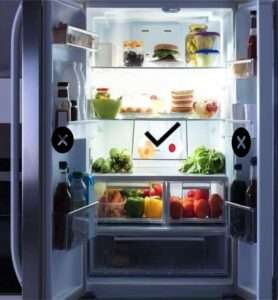
 The household refrigerator is not always suitable for storing insulin. The temperature inside the fridge is always not consistent in all areas.
- Storing insulin in the side doors of the fridge may cause temperature fluctuations during opening, potentially harming the insulin.
- Additionally, the upper freezer compartment may expose the insulin to freezing temperatures.
- The temperature in the crisper under the freezer chamber occasionally drops below 2 degrees Celsius.
- while the last chamber for storing fruits and vegetables may reach high temperatures.
- Therefore, the most adequate temperature for insulin storage is typically found in the middle tray, where we usually keep milk.
- Do not store insulin in mini fridges as it may reach much low temperature causing insulin to fridge.
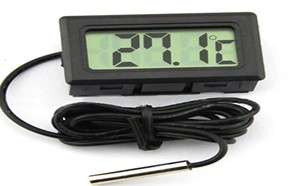
- LCD Electronic Fish Tank Water Detector Thermometer: This device is suitable for placement inside the fridge to record its temperature accurately. With its LCD display, it provides precise readings, ensuring that the fridge maintains consistent temperatures for optimal storage of items such as insulin.
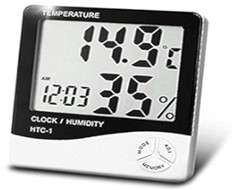 HTC Instrument-103-CTH Digital Indoor Hygrometer Thermometer: Powered by electricity, this digital hygrometer thermometer is ideal for measuring temperatures when placed outside the fridge. Its reliability and accuracy make it a dependable tool for monitoring ambient temperatures, helping users maintain consistent conditions for storing sensitive items.
There is a pressing need to maintain the cold chain when transporting insulin from a retail shop to one’s home or when traveling with it.
- Avoid storing insulin in car dashboards or near windows as they can expose it to extreme temperatures to avoid extreme temperatures and direct sunlight.
- Ice packs may not provide substantial temperature control and can prove ineffective even when secured to both sides of insulin.
- Their inability to maintain uniform temperatures may result in one side freezing, potentially causing thermal shock to the insulin.
- A thermocol box is
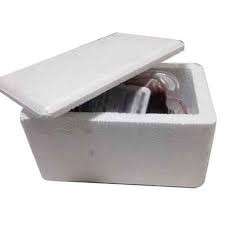 needed, provide insulation from external environment, surrounded by ice packs helps maintain constant temperature for few hours inside the box.
 - Insulin should be covered with cotton when placed in thermacol box with ice packs to prevent the contact side from freezing or getting wet, which may erode the label.
Hello, i believe that i noticed you visited mmy site thus
i got here to return the want?.I am attempting to to find issues too enhance myy
web site!I guess its good enough to use somme of your ideas!!
Have a lokok at my web site … https://Telegra.ph/Playson-and-its-gaming-machines-12-25
This article provides crucial information for individuals managing diabetes, ensuring the efficacy and safety of their insulin supply. This article serves as a valuable resource, emphasizing the importance of proper storage practices to maintain the potency and effectiveness of insulin medications, ultimately promoting better health outcomes for patients.
thank you so much for your valuable comment